Breast Augmentation
Lower Manhattan, New York, NY

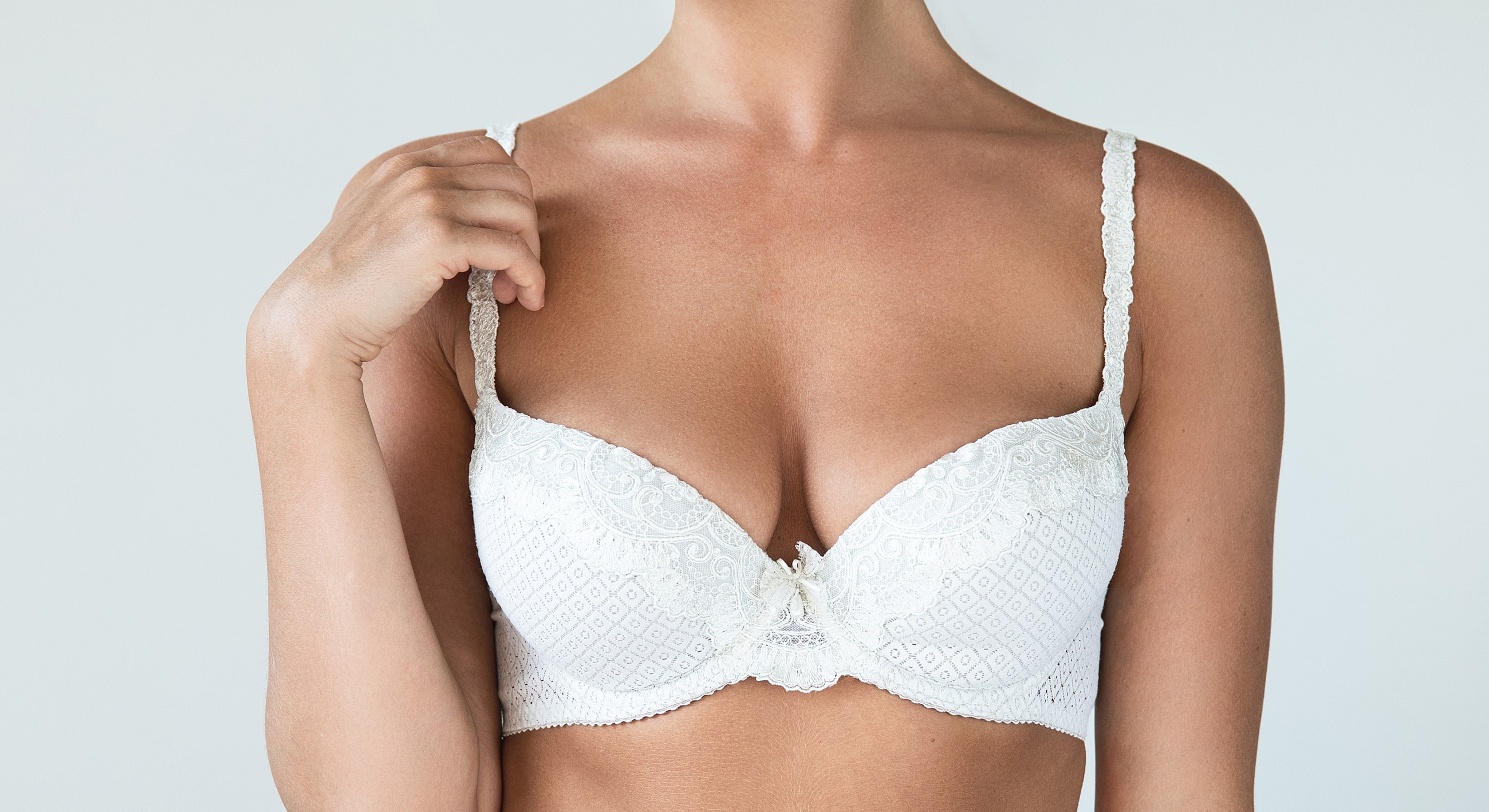
Breast augmentation and augmentation-mastopexy (a combined lift and augmentation) are procedures designed to restore volume, improve symmetry, and enhance the overall breast contour. Breast augmentation remains one of the most commonly performed cosmetic surgical procedure in the United States, and for good reason — when expertly performed, it produces a profound improvement in body proportion, symmetry, and self-confidence. Dr. Pierce Janssen approaches every breast augmentation consultation with a deep commitment to understanding the patient's body, lifestyle, and aesthetic goals before recommending an implant type, size, or surgical approach. His philosophy is rooted in achieving an outcome that looks and feels natural and that ages well with the patient's body over time. He performs breast augmentation FDA-approved silicone and saline implants. Dr. Pierce Janssen prioritizes a refined aesthetic that respects your natural anatomy. Whether you are looking to reclaim volume lost after pregnancy or weight loss, or simply desire a more balanced silhouette, Dr. Janssen provides an honest, tailored approach. We focus on results that look and feel like you, only more confident.

Increases breast volume, improves shape and symmetry, and restores breast fullness lost after pregnancy, nursing, or weight loss. Augmentation restores volume, and mastopexy corrects sagging.
Silicone or saline implants. Subfascial or dual-plane (partial submuscular) placement. Periareolar, inframammary, or axillary incision.
An "augmentation-mastopexy" addresses both size and position in one surgery.
Rapid recovery breast augmentation allows most patients return to light Manhattan routines within days of their procedure.
Breast augmentation involves the use of implants to increase the fullness and size of the breasts. However, if the breast tissue has descended (a common occurrence due to aging or nursing), an implant alone may not provide the desired perkiness. This is where the augmentation-mastopexy comes in.
By combining an implant with a surgical lift, Dr. Janssen can simultaneously add volume and reposition the breast to a more youthful height. This dual approach ensures the nipple and breast mound are perfectly aligned, creating a harmonious and uplifted profile that an implant alone cannot achieve.
Selecting the right implant requires detailed measurements of the breast base width, skin stretch, and existing breast tissue, combined with a thorough understanding of what the patient wants to achieve. Dr. Janssen uses a structured implant sizing process that includes tissue measurements, dimensional planning, and, when helpful, sizer trials in office to help patients visualize their options. For most patients, cohesive silicone gel implants provide the most natural feel and the most predictable long-term result. Saline implants remain an excellent option for patients who prefer the ability to detect leaks, those with adequate native tissue coverage, and those whose size goals are achievable with saline. Placement below the muscle ("dual-plane") provides additional tissue coverage and a natural upper pole slope. Placement above the muscle ("subfascial") is appropriate for patients with adequate breast tissue and specific anatomic considerations.

Breast augmentation is performed under general anesthesia. The most common incision site is the inframammary fold (breast crease), which provides excellent access and heals to a scar that is hidden within the fold. Periareolar and axillary incisions are available for appropriate candidates. The implant pocket is created precisely according to the pre-operative plan, and the implants are inserted and positioned. A supportive surgical bra is applied immediately post-operatively. Most patients are mobile within 24 hours. Return to desk work typically occurs within three to five days. Strenuous activity and heavy lifting are restricted for four to six weeks.Dr. Janssen’s surgical eye, informed by his background in the arts and athletics, allows him to select the ideal implant size and placement to match your frame. The goal is a seamless transition and a result that feels like a natural extension of your body.
If you are dissatisfied with the volume of your breasts, or if you feel they have lost their youthful "perk" and position, you may be an ideal candidate. During your consultation, Dr. Janssen will assess your skin elasticity and tissue volume to determine if a standalone augmentation or a combined lift is the best pathway for your goals.
Choosing a "lift and aug" simultaneously allows for a total transformation. It addresses the two most common concerns—volume loss and sagging—in a single surgical session and one recovery period, ensuring the final result is both full and properly positioned.
Most patients experience some tightness and swelling for the first few days. While you will need to wear a supportive surgical bra and avoid heavy lifting, many of our downtown patients find they can return to non-strenuous work within a week. Full exercise usually resumes around six weeks post-op.
While you will see an immediate change in size and height, the breasts will initially sit high on the chest. Over the course of 3 to 6 months, the implants will "drop and fluff," and the tissues will soften into their final, natural-looking position.
Both are safe, FDA-approved options with distinct characteristics. Silicone gel implants are the most popular choice because they provide a soft, natural feel that closely mimics natural breast tissue — particularly important in thin-tissued patients where implant rippling may otherwise be visible or palpable. Saline implants have the advantage of easy leak detection (saline is harmlessly absorbed) and can be adjusted in volume at the time of surgery. Dr. Janssen will help you weigh these considerations based on your tissue characteristics and goals.
Implant selection is a collaborative, dimensional process — not simply a cup size request. Dr. Janssen measures your breast base width, skin stretch, and existing tissue volume, and uses these measurements to determine a range of implant sizes that will be safe and proportionate for your specific anatomy. Sizer trials in the office can also help you visualize how different volumes will look and feel before committing. The main goals are safety, proportionate augmentation, and size (in that order).
Submuscular (under the muscle) placement provides a thicker layer of tissue over the implant — particularly in the upper pole — reducing the risk of palpable edges and rippling, and providing a more natural-appearing upper pole slope. The tradeoff is slightly greater post-operative muscle soreness and, in some patients, animation deformity with muscle contraction. Pre-pectoral placement has regained popularity, particularly with stable form implants, in patients with adequate tissue coverage who wish to avoid the muscle-related tradeoffs.
Modern implants do not have a mandatory replacement schedule. They are not designed with a preset expiration date, and many patients go 15 to 20 years or more without any issue. However, implants are not considered lifetime devices — capsular contracture, implant rupture, and aesthetic changes over time may eventually indicate revision. Dr. Janssen will discuss implant longevity expectations and the signs that might warrant future evaluation during your consultation.