

January 2026
In this study, Dr. Janssen presents a novel technique combining a phenol-croton oil chemical peel of the perioral region with primary facelift surgery. The data demonstrate that this adjunct approach reliably shortens philtrum length — an often-overlooked aesthetic unit — providing patients with more harmonious and youthful facial proportions in a single operative setting.
January 2026
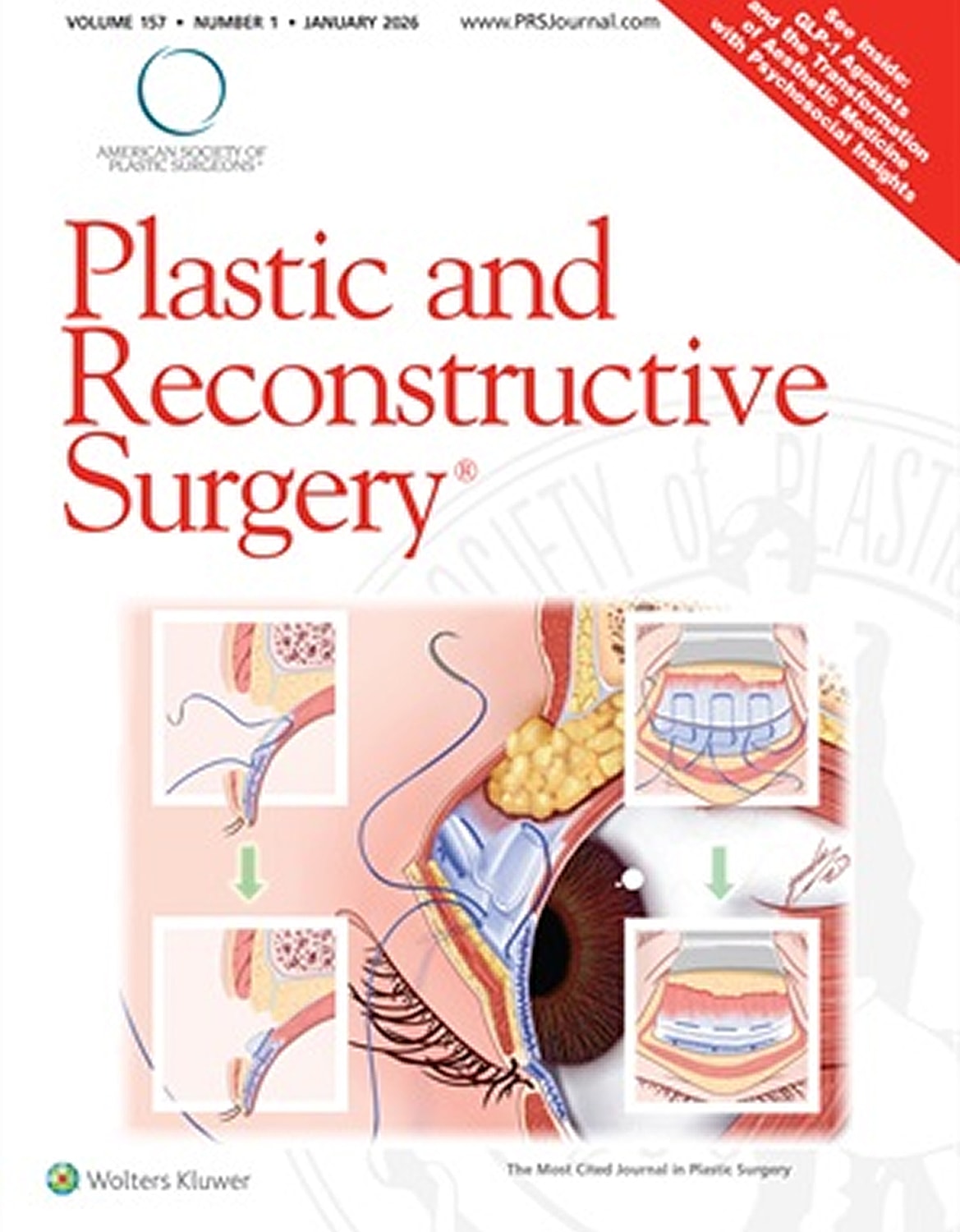
In this nationwide survey of American Society of Plastic Surgeons members, Dr. Janssen and colleagues examine how tummy tuck practice patterns have evolved over two decades. The findings reflect meaningful shifts in patient selection, technique preferences, and safety protocols — capturing how the field has advanced to deliver more refined and lower-risk outcomes for body contouring patients.
November 2025
This study evaluates the safety of tranexamic acid — a medication used to reduce bleeding — when applied locally during facelift surgery. Dr. Janssen and colleagues demonstrate through a carefully matched patient cohort that local tranexamic acid does not increase the risk of wound healing complications, supporting its use as a tool for optimizing surgical outcomes and recovery.
October 2025
This study provides a comprehensive analysis of fellowship match trends across three competing specialties in aesthetic surgery. Dr. Janssen and colleagues examine how applicant volume, program positions, and match rates have shifted over time — offering valuable insight into the evolving training landscape for the next generation of cosmetic surgeons.
October 2025
Understanding how forehead anatomy changes with age and differs between men and women is essential for planning facial rejuvenation procedures. In this MRI-based study, Dr. Janssen quantifies soft tissue thickness across different regions of the forehead, revealing how these dimensions vary by age and gender. This anatomical data directly improves surgical safety and aesthetic precision for procedures like browlifts and forehead reduction.
July 2025
Epinephrine is routinely injected at the start of facelift surgery to minimize bleeding, but the optimal timing before incision has been debated. In this study, Dr. Janssen and colleagues precisely measure when epinephrine reaches its peak vasoconstrictive effect in facelift patients, providing surgeons with data-driven guidance to time their incisions for maximum safety and reduced blood loss.

Dr. Janssen was featured in Allure Magazine discussing the spectrum of facelift procedures. He explains that SMAS techniques specifically fall into two main categories: extended SMAS methods that dissect beneath the muscle and fully release facial ligaments, and SMAS procedures that work above the muscle through plication or SMASectomy. Dr. Janssen emphasizes that deep plane, extended SMAS, and other SMAS approaches can all deliver excellent outcomes when performed by experienced, well-trained surgeons — the key is surgical expertise and patient selection.
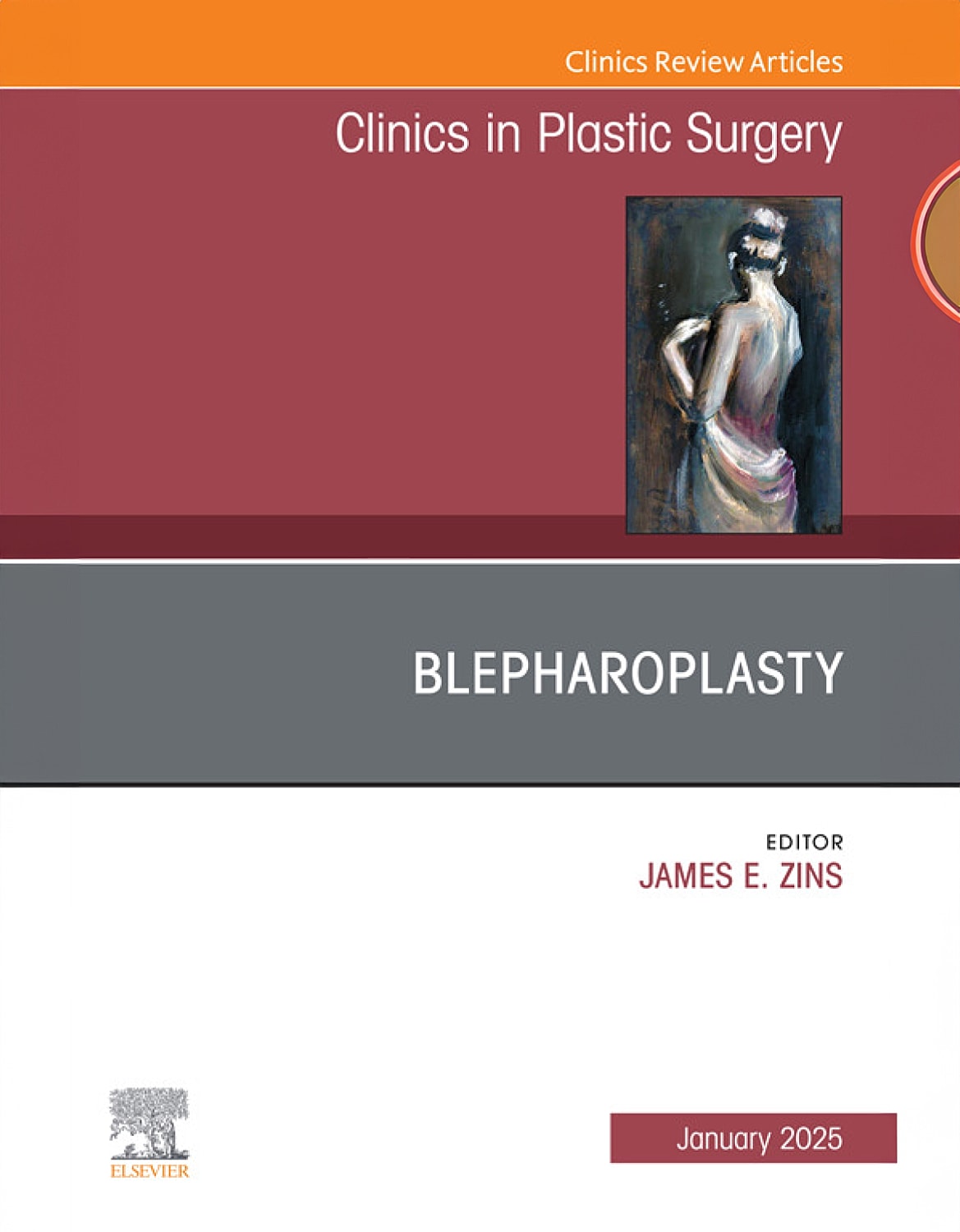
January 2025
This comprehensive anatomical review provides surgeons with a precise understanding of the complex layered structures of the lower eyelid — the foundation for safe and effective lower blepharoplasty. Co-authored by Dr. Janssen, the article clarifies critical anatomical relationships between fat compartments, the orbital septum, and supporting ligaments that directly influence surgical planning and outcomes.
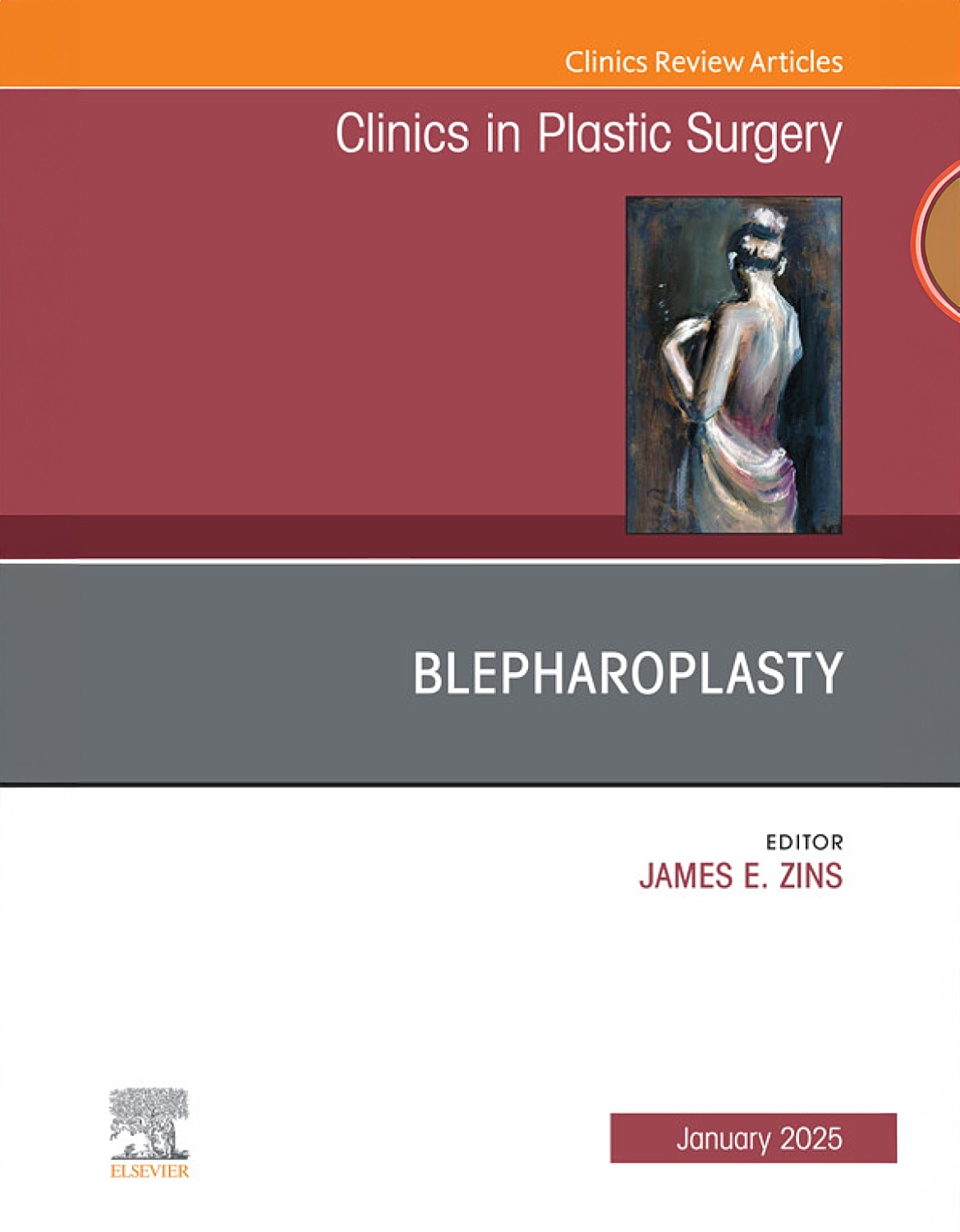
January 2025
Thorough preoperative evaluation is the cornerstone of excellent blepharoplasty outcomes. In this article, Dr. Janssen and colleagues present a systematic approach to assessing patients before upper and lower eyelid surgery — covering everything from visual field testing and dry eye evaluation to aesthetic analysis and patient expectations — ensuring that surgical planning is individualized and safe.
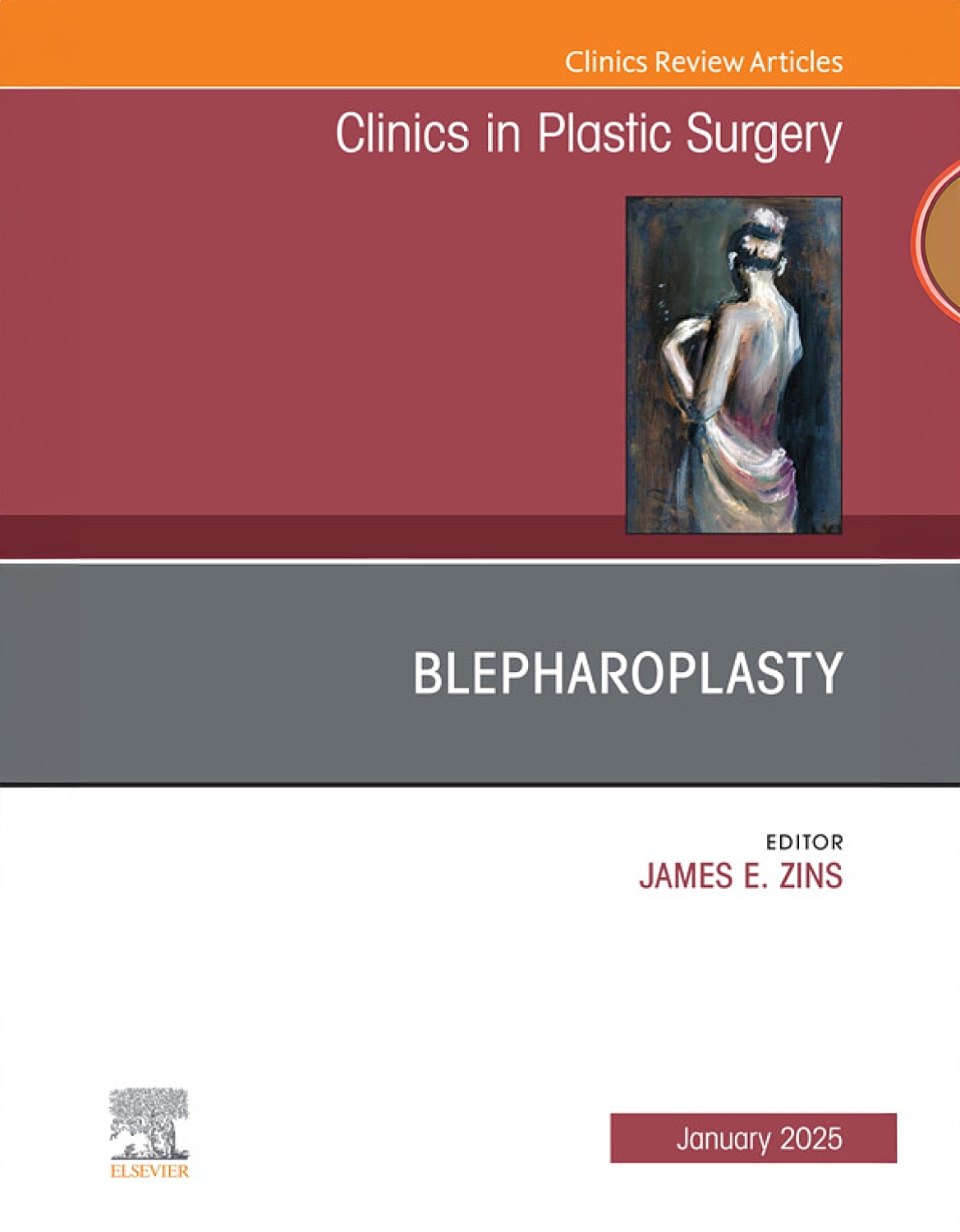
January 2025
Lower eyelid rejuvenation can be achieved through several surgical approaches — each with distinct advantages depending on a patient's anatomy and aesthetic goals. Dr. Janssen and colleagues provide a decision-making framework for selecting between transcutaneous, transconjunctival, and fat repositioning techniques, helping surgeons achieve consistently natural and youthful results while minimizing risk.
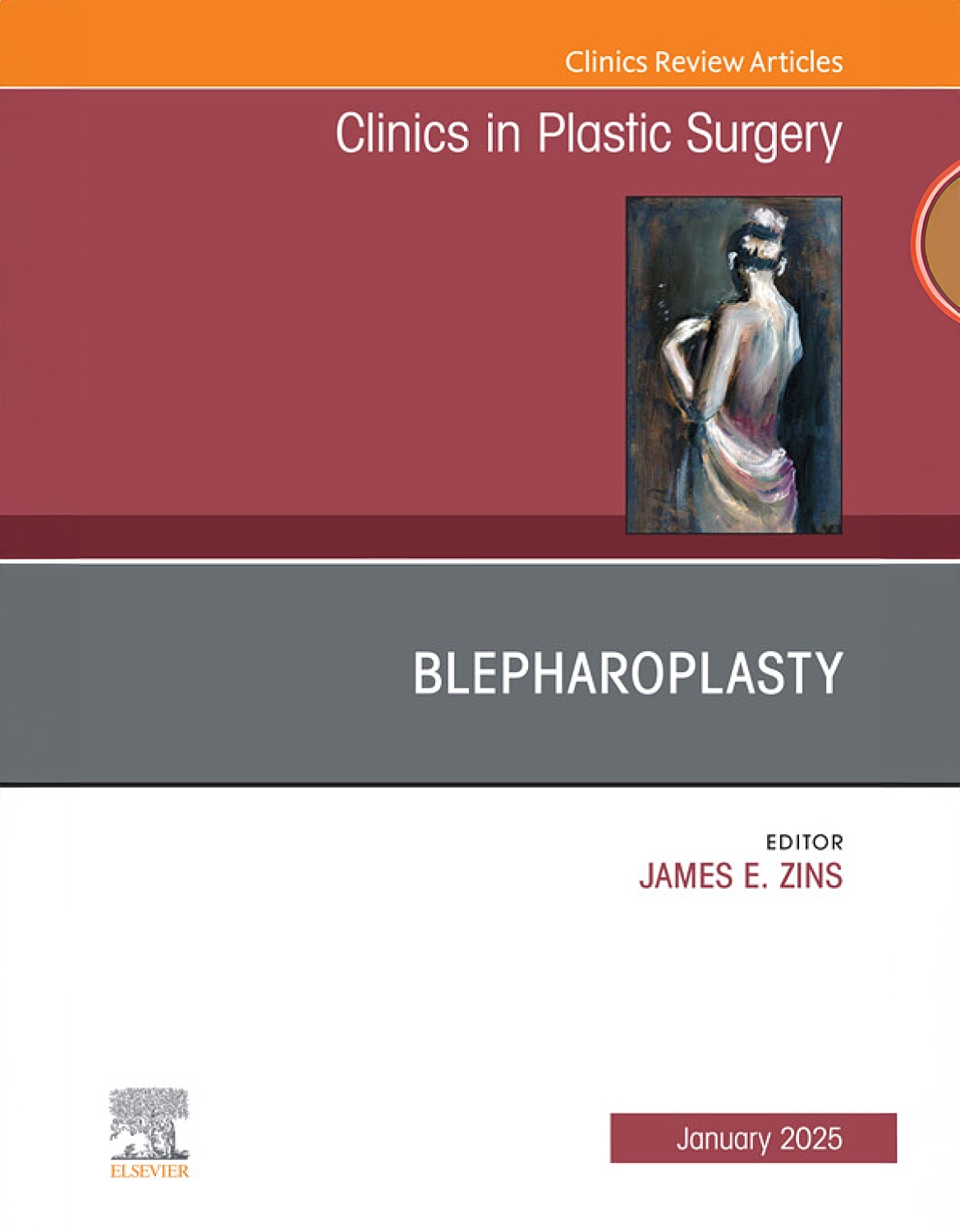
January 2025
Not all blepharoplasty candidates present with straightforward anatomy. In this article, Dr. Janssen and colleagues address the most challenging clinical scenarios in eyelid surgery — including patients with prior surgery, asymmetry, thyroid eye disease, and high cosmetic expectations — providing a practical guide for navigating complex cases with precision and safety.

Dr. Janssen provides expert insight into the nuances of SMAS facelift procedures in an exclusive interview. He clarifies that while these techniques vary widely, they fall into two distinct approaches: aggressive sub-SMAS methods that fully release facial ligaments, and conservative techniques like plication that preserve the muscle layer. According to Dr. Janssen, both strategies achieve excellent results in the hands of experienced, skilled surgeons.
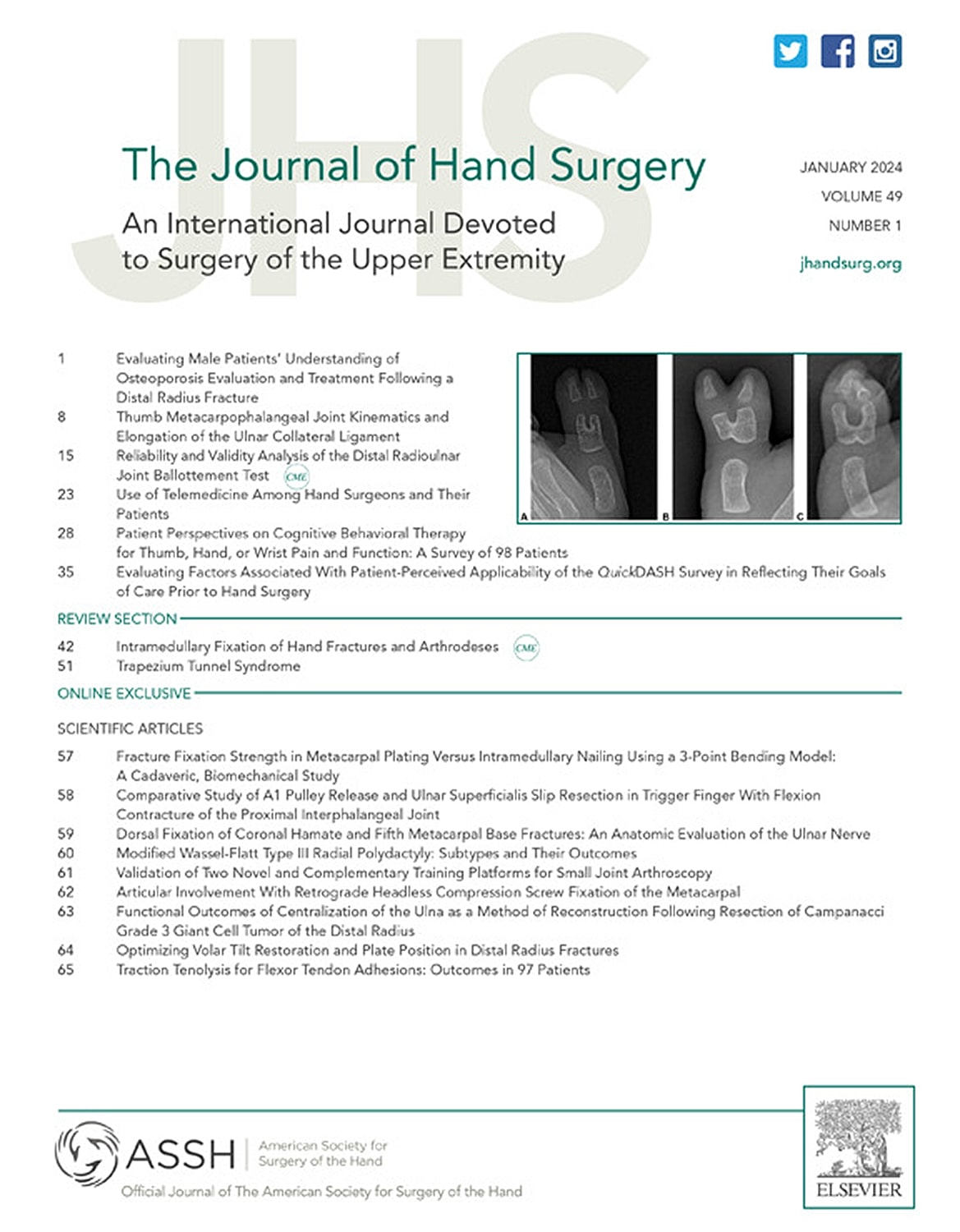
January 2024
In this cadaveric anatomical study, Dr. Janssen examines the safe zone for placing surgical screws during dorsal fixation of fractures at the base of the small finger — a technically demanding operation where the ulnar nerve is at risk. The paper provides surgeons with precise anatomical measurements to guide implant placement and minimize nerve injury, directly improving the safety of this hand surgery procedure.
August 2023
Amniotic band syndrome is a rare congenital condition in which fibrous bands of tissue entangle developing fetal limbs and structures, causing a spectrum of deformities from finger anomalies to complex craniofacial differences. This comprehensive review — co-authored by Dr. Janssen during his training at Icahn School of Medicine at Mount Sinai — provides surgeons with an evidence-based framework for evaluating and treating affected patients across every anatomic region.
August 2023
This report from Memorial Sloan Kettering Cancer Center demonstrates the power of computer-assisted virtual surgical planning in one of the most complex reconstructive scenarios in plastic surgery — rebuilding the jaw and palate following cancer removal, with immediate dental implant placement. Dr. Janssen contributed to this landmark case series illustrating how precise three-dimensional planning leads to superior functional and aesthetic outcomes for patients facing head and neck cancer surgery.
June 2023
Virtual surgical planning has transformed the precision of jaw surgery, allowing surgeons to simulate and optimize the exact movements needed before entering the operating room. In this article, Dr. Janssen and colleagues at Mount Sinai detail the specific workflow parameters and planning session practices that translate most effectively into surgical execution — filling an important gap in the orthognathic surgery literature.
June 2023
Coronal craniosynostosis is a condition where the skull fuses prematurely, affecting the shape of the head and the eye socket. In this anatomical research, Dr. Janssen precisely measures and characterizes the dimensions of the orbital foramen — the opening through which critical nerves and blood vessels pass to the eye — in affected patients. These measurements inform surgical planning and help predict potential complications in this complex craniofacial condition.
January 2023
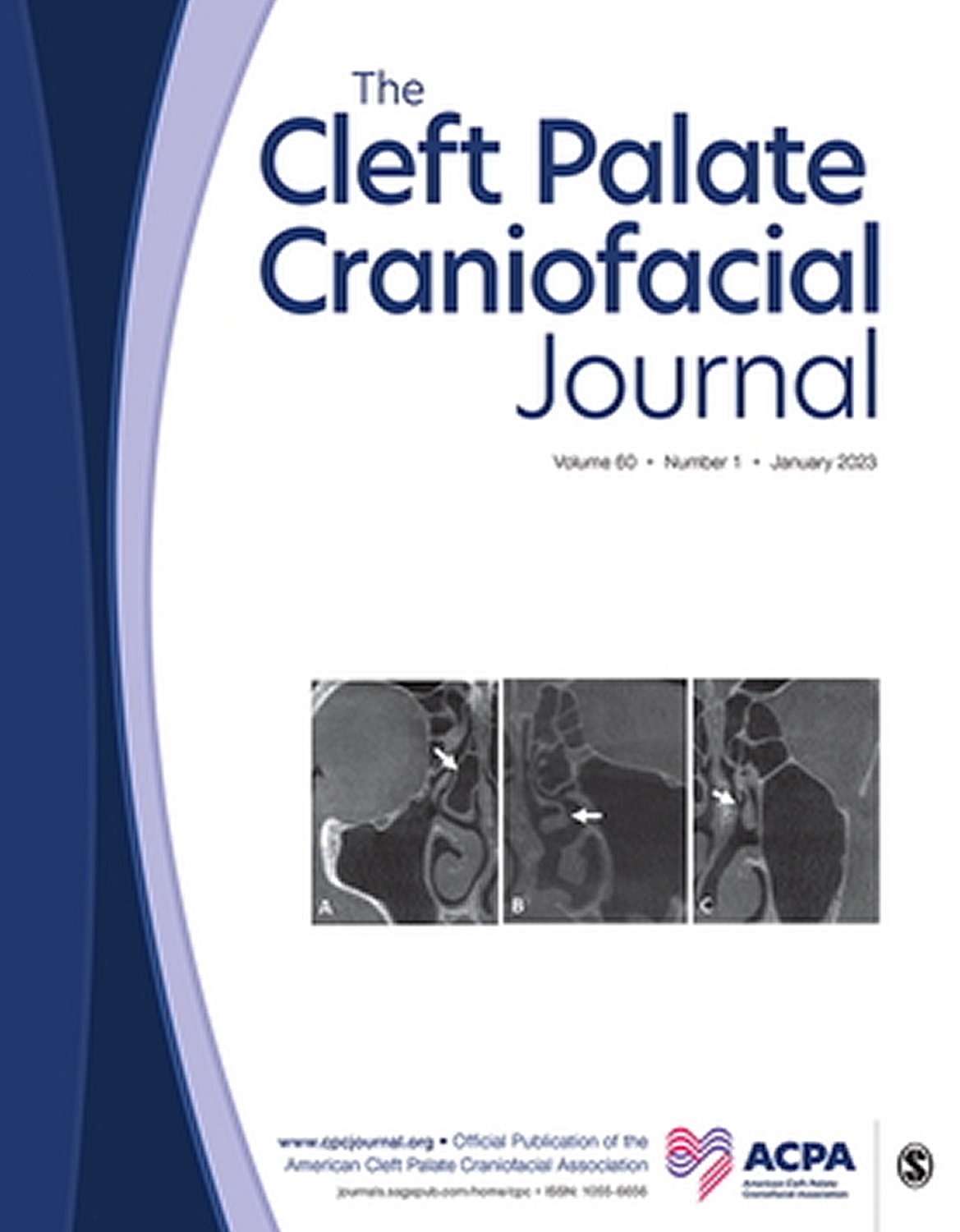
Children born with cleft lip and palate require coordinated, multidisciplinary care across many years. In this first-author study from Stony Brook University, Dr. Janssen analyzed six years of treatment data to compare outcomes for patients treated at dedicated cleft centers versus non-specialized facilities. The findings make a compelling case for centralized, team-based cleft care — with meaningful implications for how families should seek treatment and how the healthcare system should organize cleft services.
May 2022
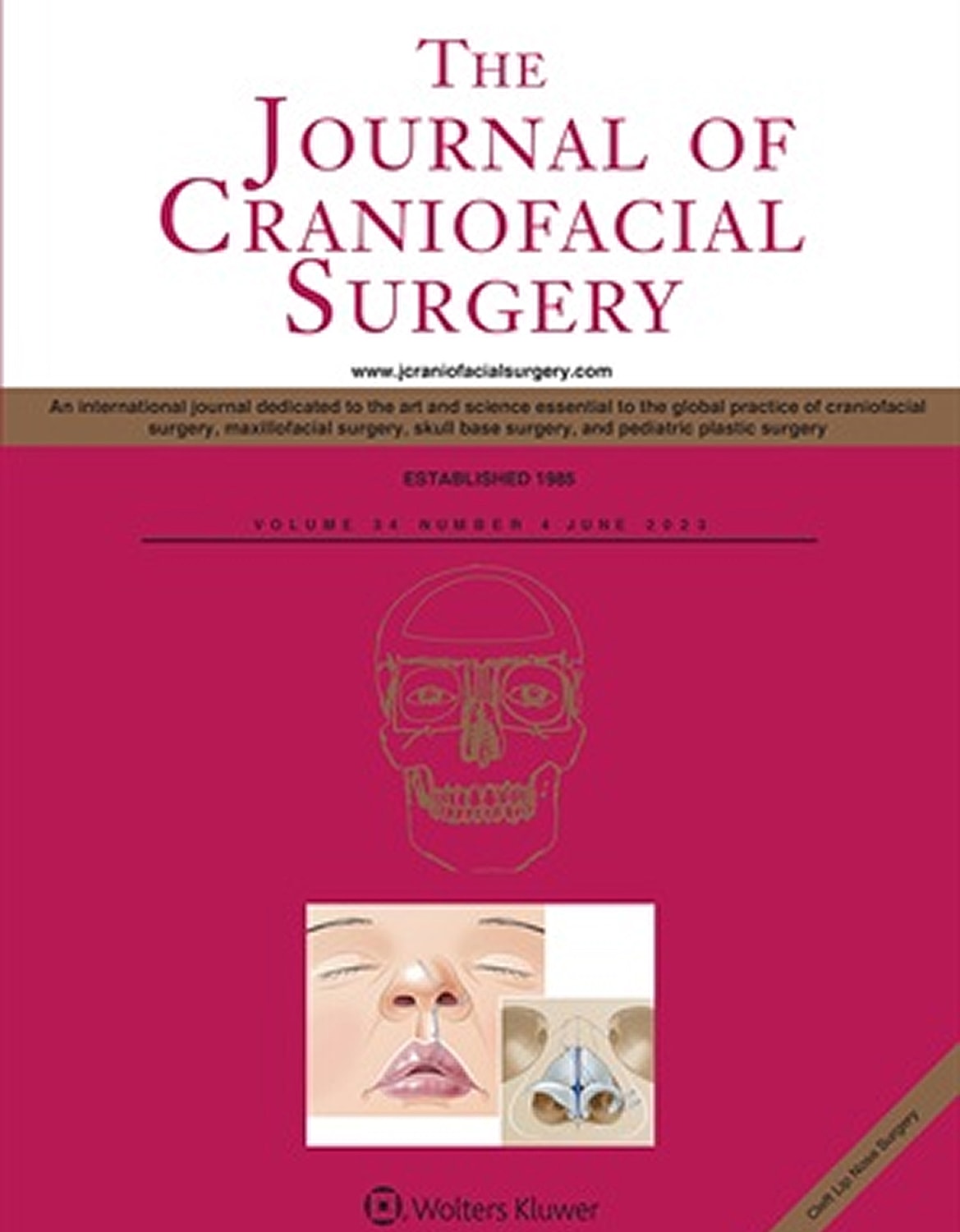
Scalp arteriovenous malformations — abnormal tangles of blood vessels — are among the most technically challenging lesions in craniofacial surgery. In this first-author publication, Dr. Janssen presents a combined endovascular and surgical approach to these high-flow lesions, demonstrating that coordinated multi-specialty treatment leads to safe and complete resolution. This work reflects Dr. Janssen's training in complex craniofacial reconstruction at Mount Sinai alongside world-renowned vascular specialists.
October 2021
For women undergoing breast reconstruction after cancer, choosing the right implant surface — textured or smooth — directly impacts both safety and outcomes. In this study, Dr. Janssen evaluates complication rates between textured and non-textured implants when placed directly beneath the skin without a tissue expander, providing patients and surgeons with evidence-based guidance on which option delivers the best combination of safety and natural appearance.


Embarking on a path toward aesthetic or reconstructive change is a deeply personal choice. Dr. Janssen welcomes the opportunity to explore your objectives in a supportive, facts-first environment, whether you are seeking plastic surgery or non-surgical aesthetic care. Experience the personalized care and attention to detail that only a dedicated local surgeon can provide by scheduling a consultation with Dr. Janssen in our lower Manhattan office.
There was an error processing your form. Please try again later.
We'll get back to you as soon as possible.
Sitemap | Privacy Policy | Accessibility | Notice of Open Payment Database