Upper Blepharoplasty
Lower Manhattan, New York, NY

Upper eyelid skin excess — resulting from the gradual descent of the brow and the accumulation of excess skin in the upper eyelid — creates a hooded appearance that makes the eyes appear smaller, heavier, and older. In significant cases, the excess skin can rest on the upper eyelash margin and cause functional visual field obstruction. Upper blepharoplasty is one of the most commonly performed facial procedures precisely because its impact is profound and its recovery is relatively brief. Dr. Pierce Janssen performs upper blepharoplasty under local anesthesia in the 111 Broadway office, with careful attention to preserving the natural eyelid crease and the appropriate amount of tissue to maintain a natural, unoperated appearance.

Removes excess upper eyelid skin to correct hooding, restore the eyelid crease, and open the appearance of the eyes.
Performed under local anesthesia in the office — no sedation or general anesthesia required for most cases.
Sutures removed at 5 to 7 days; most patients comfortable socially within 7 to 10 days.
Frequently combined with brow lift, lower blepharoplasty, or facelift for comprehensive facial rejuvenation.
Successful upper blepharoplasty begins with careful pre-operative planning. The upper eyelid crease position, the amount of skin to be removed, the relationship of the brow to the lid, and the presence of orbital fat herniation are all assessed before any incision is made. A critical evaluation is always made of brow position: a descended brow can simulate or exaggerate upper eyelid skin excess, and addressing only the eyelid without recognizing this will result in an outcome that is underwhelming or, if overcorrected, one that prevents eye closure. The incision is placed precisely within the natural eyelid crease so that after healing the scar is completely concealed when the eyes are open. The amount of skin removed is planned conservatively, always preserving enough skin from the eyelid crease to the brow to prevent lagophthalmos (inability to close the eye).
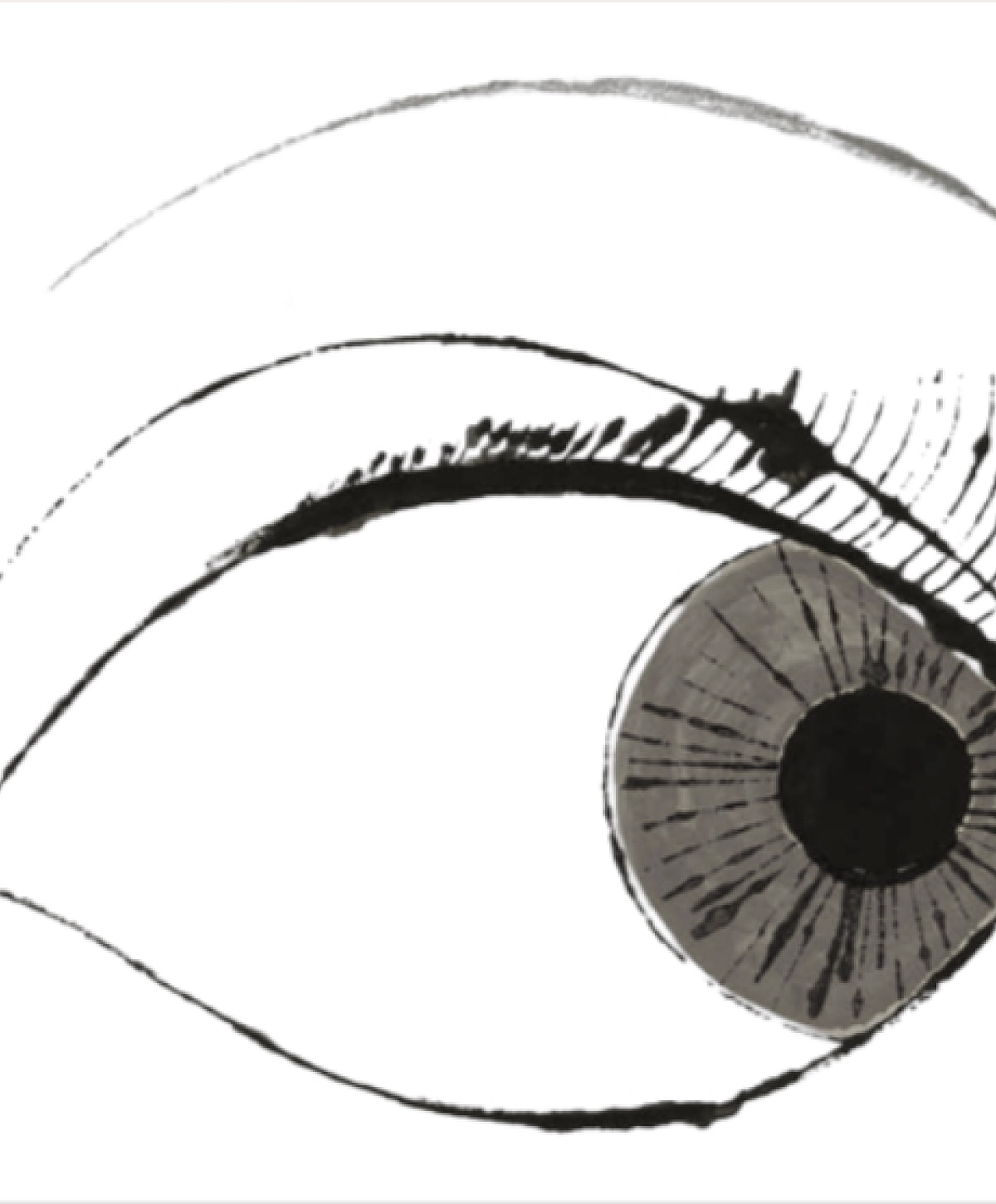
Upper blepharoplasty is performed under local anesthesia in the 111 Broadway office in approximately 30 to 45 minutes for both eyes. Topical numbing drops are placed, followed by a small injection of local anesthetic into each upper eyelid. Once completely comfortable, the planned skin excision is performed and any herniated orbital fat is conservatively addressed. The incision is closed with fine sutures. Post-operatively, cold compresses, head elevation, and lubricating eye drops are used to minimize swelling. Sutures are removed at five to seven days. The result is immediately visible and continues to improve over four to six weeks as residual swelling resolves.
This is the most important question in upper facial surgery planning. A brow that has descended significantly can cause apparent upper eyelid skin excess that will not be corrected by eyelid surgery alone — and may worsen if the lid is operated on without addressing brow position. Dr. Janssen evaluates this distinction carefully at every consultation using a physical examination protocol designed to separate true eyelid skin excess from brow-driven pseudoptosis.
Yes, although rarely. When upper eyelid hooding is severe enough to cause functional visual field obstruction, the procedure may qualify as a medically necessary covered benefit. Documentation typically includes a visual field test demonstrating superior visual field limitation and photographs confirming the lid skin rests on the lash margin. Dr. Janssen assists in obtaining the required documentation for insurance submission.
When performed with appropriate planning and conservative tissue removal, upper blepharoplasty should produce a result that looks naturally refreshed — not operated on. The goal is to restore the eyelid to a version of itself from an earlier time, not to create an artificial or overly wide appearance. Conservatism in skin removal is the key to natural outcomes.
Upper blepharoplasty produces durable correction — most patients enjoy the results for 10 years or more before any recurrence of skin excess. Aging continues after surgery, but the structural improvement is long-lasting.