Lower Blepharoplasty
Lower Manhattan, New York, NY

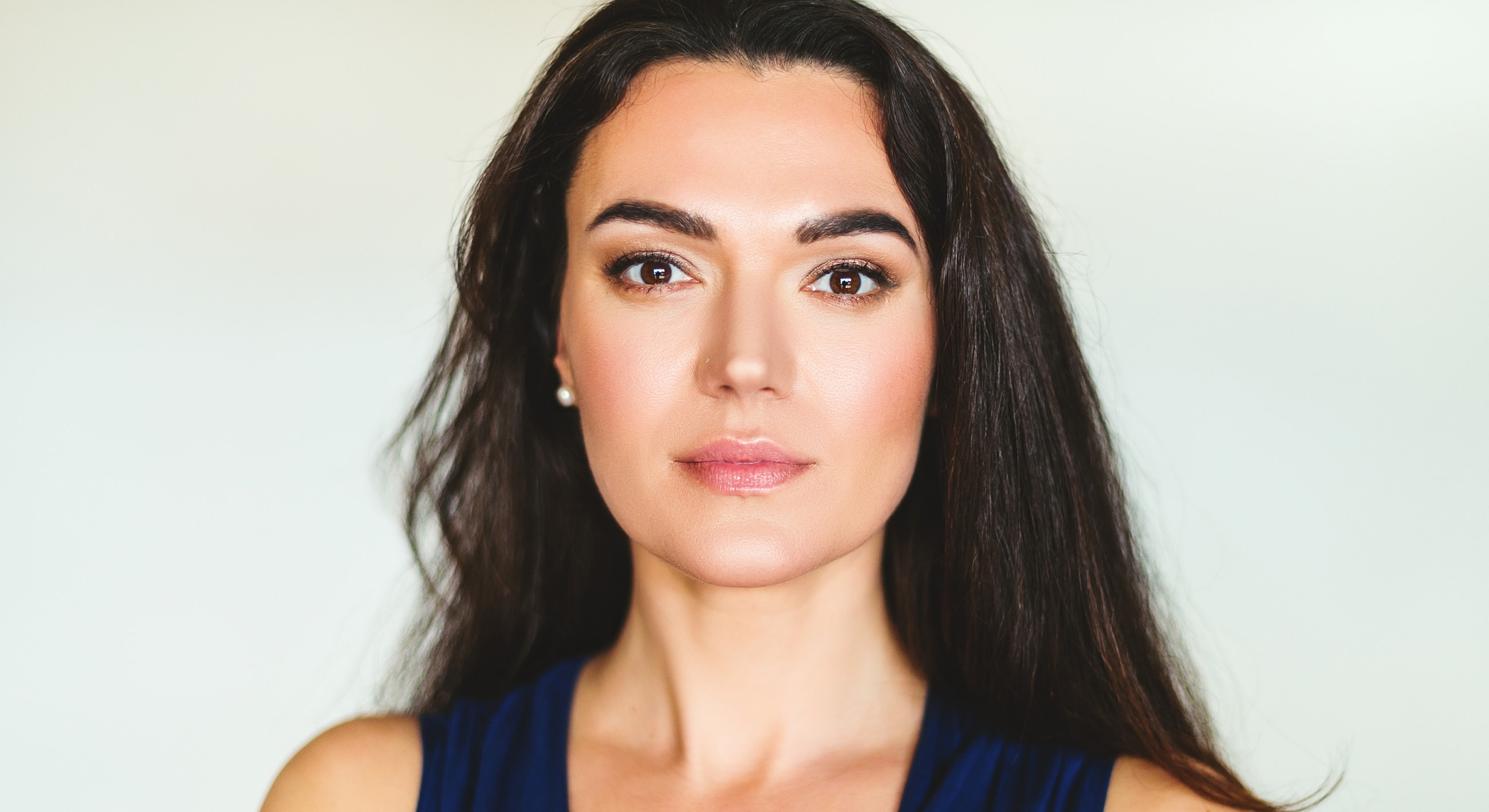
The lower eyelids are among the earliest and most visible indicators of facial aging. Herniated orbital fat creates under-eye puffiness that no amount of sleep or eye cream can resolve; tear trough hollowing creates a shadowed, sunken appearance; and skin laxity adds to a crepey, aged texture. Lower blepharoplasty addresses each of these components through anatomically precise surgical techniques. Dr. Pierce Janssen uses a transconjunctival approach (no external incision) for fat repositioning and conservative removal, combined when necessary with skin-only resection or a subciliary approach for patients with skin excess. Fat repositioning to the tear trough — rather than simple fat removal — is a cornerstone of Dr. Janssen's lower lid philosophy, eliminating the risk of a skeletonized hollow that can result from overly aggressive fat removal.

Corrects herniated fat causing under-eye bags, repositions fat to fill tear trough hollows, and addresses skin laxity.
Transconjunctival (no external scar) or subciliary approach (incision just below lash line). Fat repositioning, conservative removal, or combination performed to address your anatomical needs. Canthal suspension procedures (e.g. canthopexy or canthoplasty) are added as appropriate to support the lower lid and prevent lid malposition.
Most patients comfortable socially within 7 to 10 days. Continued improvement over 4 to 6 weeks.
Frequently paired with upper blepharoplasty (i.e. "Quad Bleph"), fat grafting, browlift, or facelift for comprehensive rejuvenation.
The traditional approach to lower blepharoplasty — simply removing the herniated fat — has been largely supplanted by a more refined understanding of lower lid anatomy. The orbit loses fat with age, creating hollowing in the tear trough and mid-face. When lower lid fat is purely removed, the result can be a skeletonized, hollow appearance that looks aged rather than rejuvenated. Dr. Janssen's preferred approach is fat repositioning: the herniated fat compartments are released and draped over the orbital rim into the tear trough depression, smoothing the lid-cheek junction without removing tissue that will be missed later. In patients with both significant fat and a hollow tear trough, repositioning provides natural volume restoration to the right place. Fat grafting to the tear trough and mid-face can supplement this approach when additional volume is needed.

Lower blepharoplasty is typically performed under local anesthesia with IV sedation, or as part of a comprehensive procedure under general anesthesia. The transconjunctival approach involves a small incision on the inside surface of the lower eyelid — completely hidden, with no external scar. Fat is repositioned and/or conservatively removed through this approach. When skin resection is also required, a conservative skin-only pinch excision or subciliary incision is added. Temporary bruising and swelling are expected for seven to ten days. Cold compresses, head elevation, and lubricating drops are central to the early recovery. Most patients are comfortable in social and professional settings within ten days.
For the lower lids, the incision is often made just inside the eyelid (transconjunctival approach) or right below the lash line. This allows him to reposition fat to smooth the transition between the eye and the cheek, eliminating bags and "tear troughs." Once the structural adjustments are complete, the incisions are closed with incredibly fine sutures, designed to minimize scarring and facilitate a rapid recovery.
For the transconjunctival approach, there is no external scar — the incision is entirely on the inside of the eyelid. For patients requiring a skin incision, the subciliary approach places the incision in the shadow of the lower lash line, where it heals inconspicuously. Dr. Janssen makes every effort to avoid visible external scarring in lower lid surgery.
Fat removal simply excises the herniated fat — a quick approach that can leave the lower lid looking hollow and skeletonized over time. Fat repositioning maintains the fat but releases and redistributes it over the orbital rim into the tear trough, simultaneously eliminating the puffiness and filling the hollow below it. This produces a significantly more natural and durable result.
True dark circles caused by skin pigmentation or visible lower lid vasculature are not corrected by surgery. However, dark shadows caused by the structural hollow of the tear trough — which create the appearance of dark circles — are dramatically improved by fat repositioning or fat grafting, which smooths the lid-cheek junction and eliminates the shadow.
While you will see an immediate difference in the contour of your lids, final results emerge as the delicate tissues heal, and the swelling fully dissipates. You can expect to see your final, refined expression within 4 to 6 weeks.
Yes — upper and lower blepharoplasty are frequently performed together in a single session. Performing both simultaneously achieves comprehensive eyelid rejuvenation, allows Dr. Janssen to balance the upper and lower lids in proportion, and limits total recovery to a single period of downtime.